
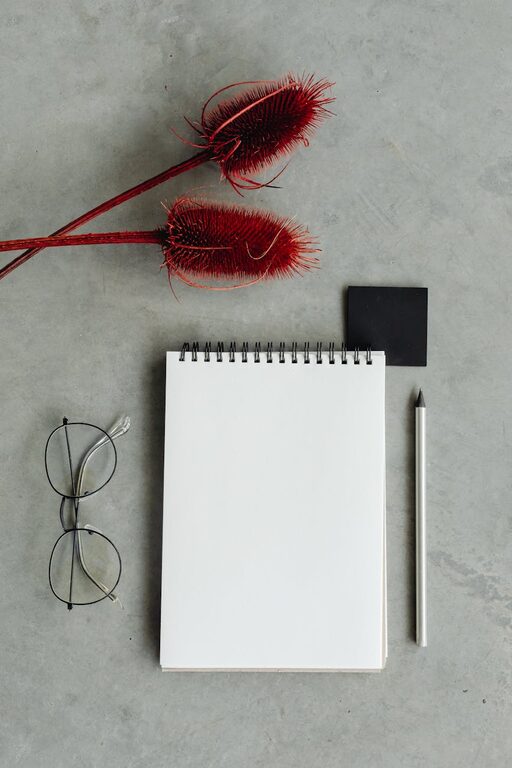
Choosing the right notebook can make a big difference in how often you use it and how productive you feel. Whether you plan to jot down daily to-dos, capture creative ideas, or keep a journal, the notebook you pick should inspire you to write, not gather dust on the shelf. But with so many types, sizes, and paper styles available, how do you find the perfect one?
In this post, we’ll guide you through essential factors to consider when choosing a notebook you’ll actually enjoy using. Let’s dive in!
Understand Your Purpose
Before shopping for a notebook, it’s important to be clear about how you intend to use it.
– Note-taking for Work or School: You might want something with plenty of pages and good organization.
– Creative Writing or Journaling: A notebook with quality paper and an appealing design may motivate you to write regularly.
– Planning and Task Lists: Consider a notebook with pre-formatted layouts or grids.
– Sketching or Drawing: Choose thicker, textured paper that can handle ink or pencil without bleed-through.
Knowing your main use will help narrow down your options and prevent impulse buys.
Decide on the Size and Portability
Notebooks come in various sizes, so it pays to think about where and how you’ll use yours.
Common Sizes
– Pocket-sized (A6 or smaller): Perfect for on-the-go jotting, but limited writing space.
– Medium (A5): A balanced size — portable yet spacious for writing or sketching.
– Large (A4 or letter): Ideal for extensive notes or artwork but less portable.
If you often carry your notebook between home, work, or school, a medium or pocket-sized notebook might be best. For desk use, a larger size can be more comfortable.
Choose the Right Binding
Binding affects how your notebook opens, lies flat, and holds up over time.
– Spiral Binding: Allows the notebook to lie flat and fold back easily. Great for note-taking but spirals can get bent.
– Perfect Bound (Paperback): Looks sleek and professional, but may not always lie flat.
– Hardcover: Offers durability and often has a nicer feel, making it more likely you’ll keep and use it.
– Ring Binder: Provides flexibility to add or remove pages, ideal for organized planners.
Pick a binding that suits your writing style and storage needs.
Consider Paper Quality and Type
Paper quality impacts your writing experience and the notebook’s longevity.
– Paper Weight: Measured in GSM (grams per square meter), thicker paper (80 gsm and above) is less likely to bleed or tear.
– Ruled, Dotted, or Blank Pages:
– Ruled pages help keep handwriting neat—great for notes and lists.
– Dotted grids provide subtle guidance, popular among bullet journalists and those who like flexibility.
– Blank pages are ideal for sketching or freeform writing.
– Paper Color: White paper is standard, but cream or off-white can be easier on the eyes.
– Bleed-through and Feathering: If you use fountain pens, markers, or inks, test paper suitability to avoid frustration.
Look for Extra Features
Some notebooks come with handy extras that enhance usability.
– Page Numbers: Useful for referencing notes.
– Indexes or Contents Pages: Help keep things organized.
– Built-in Bookmarks or Elastic Closures: Makes it easier to keep your place and secure your notebook.
– Pockets: Convenient for storing receipts, business cards, or loose papers.
– Perforated Pages: Allows for easy removal of pages.
Think about which of these features will support your workflow.
Style and Aesthetics Matter
Choosing a notebook with a cover design, color, or texture that you find appealing can motivate consistent use. Whether you prefer minimalist, vibrant, or classic looks, pick something that makes you happy.
Some people prefer personalized or handcrafted notebooks, which can be more meaningful and encourage regular writing.
Test It Out Before You Commit
If possible, visit a stationery store to feel different notebooks. Open them, write a few lines to check paper quality and comfort, and see how they handle in your preferred locations (like your bag or desk).
If you buy online, check reviews or videos to get a better sense of the product.
Tips to Get the Most From Your Notebook
– Set a Purpose: Decide on the notebook’s specific use to avoid mixing notes and clutter.
– Keep It Accessible: Store it where you will see it regularly and be reminded to use it.
– Create a Routine: Dedicate time daily or weekly to write, plan, or doodle.
– Personalize Your Notebook: Add stickers, tabs, or color code your notes to make it more engaging.
Final Thoughts
Choosing a notebook you’ll actually use depends on understanding your needs and preferences. By considering purpose, size, binding, paper quality, and style, you can find a notebook that fits seamlessly into your daily life and inspires you to jot down your thoughts consistently.
A well-chosen notebook isn’t just a tool; it can become a companion on your creative, professional, or personal journey. Happy writing!